

Top Wins for Sustainability In 2025
Date Published: 12/29/2025
The biggest sustainability wins of 2025, explained. What changed, why it matters, and how it affects life in 2026.

This post contains affiliate links. If you click and purchase, I may earn a small commission at no extra cost to you. Read my full disclosure here. Learn more
As 2025 draws to a close, I keep coming back to the word choice.
We make hundreds of choices daily about what we wear, what we bring home, and the media we consume. Living intentionally isn’t about perfection, but about expanding knowledge so the choices I make align with my values.
According to the European Commission, “clear, substantiated sustainability claims are essential for allowing consumers to make informed choices.”
This year, sustainability, supply chain transparency and consumer protections gained a lot of ground. From microplastics regulations and PFAS bans to natural fiber adoption and the rise of “repair culture”, this year brought a number of meaningful changes that directly affect how we shop and live.
Here’s a recap of the top wins for product transparency and consumer protections in 2025, and what their significance is for readers looking to make better choices this year.
Microplastics Legislation Finds Global Support
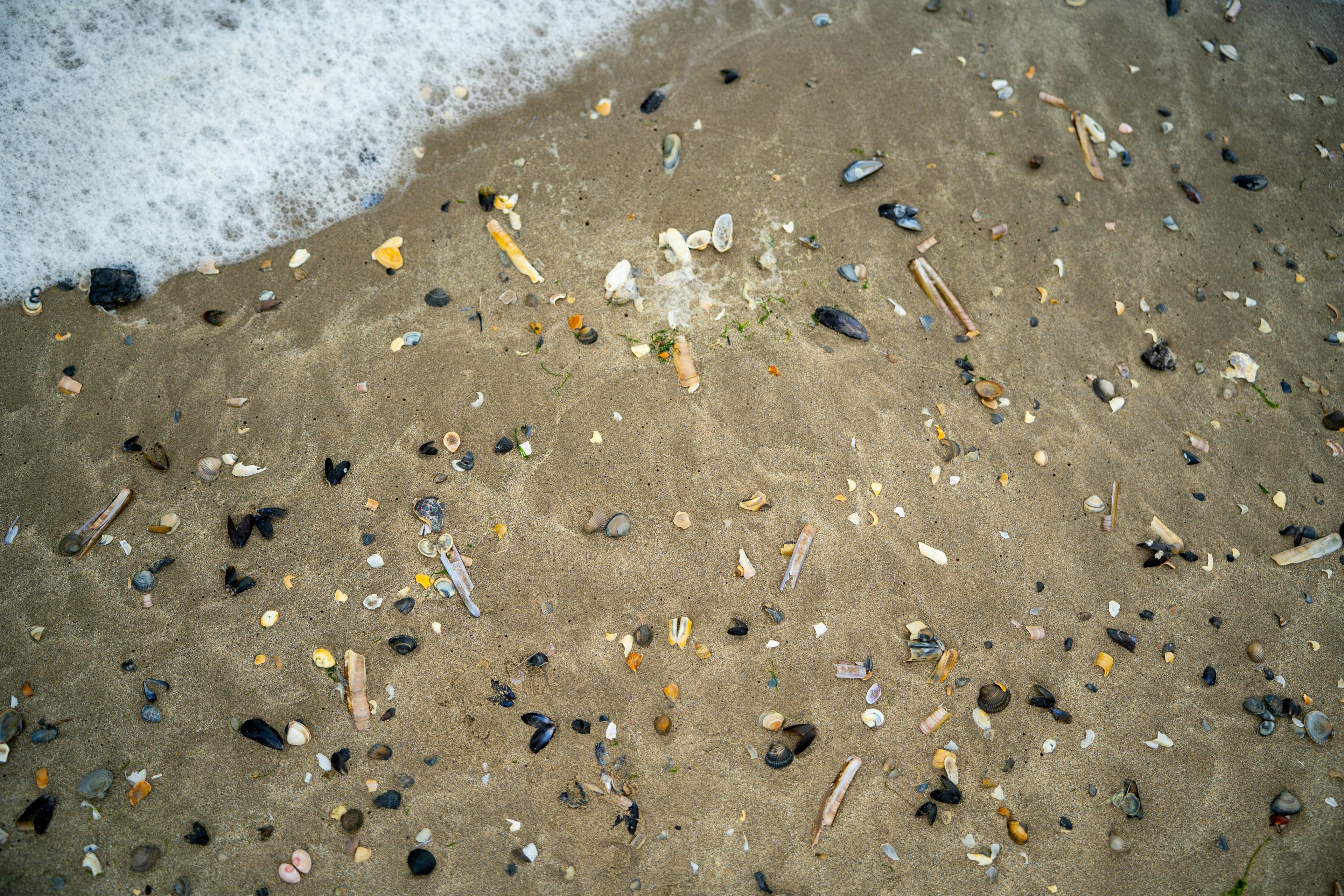
Microplastics are a part of the landscape now
In 2025, governments and scientific communities pushed forward on policies for reducing plastic particles from clothing fibers to cosmetics.
Key Facts
- The EU advanced its restriction on intentionally added microplastics (such as glitter and microbeads) under its REACH regulation (European Chemicals Agency, 2025).
- California moved closer towards requiring microfiber filters in new washing machines, which would address exposure in a house by house level.
- More studies linked synthetic textiles to microplastic shedding, putting pressure on clothing brands to switch to natural materials.
Why It Matters
Microplastics don’t biodegrade. One widely cited estimate suggests the average person ingests the equivalent of a credit card’s worth of plastic each week (WWF, 2019), and that makes the issue personal. According to the World Health Organization, microplastics have been detected in human blood, lungs, and placentas, raising concerns about long-term health effects.
Other Choices
- Install a microfiber filter on your washing machine. These filters are designed to trap 98% of synthetic microfibers from eventually draining back into the ocean.
- Prioritize natural fibers when shopping for clothing.
- Opt for glass or ceramic dishes for leftovers.
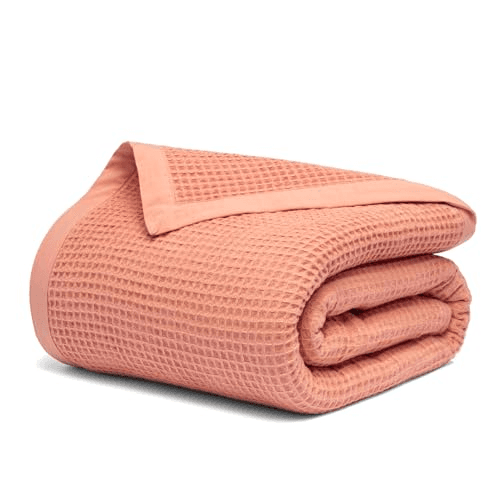
Salt Earth Throw Blanket
This throw checks all the standards: GOTS and OEKO-Tex certified. Grown without pesticides and produced without chemicals, this 100% cotton throw is breathable and feels good to use all year round.
PFAS Bans Expanded
PFAS are a class of synthetic chemicals favored for water and heat resistant properties useful in cookware, food packaging, and cosmetics. They’ve also been linked to water contamination, cancer risks, and hormone disruption, and as such, PFAS were a major target of legislation this year. The United States Environmental Protection Agency classifies many PFAS as persistent chemicals that do not break down and can build up over time.
Governments are beginning to regulate 'forever chemicals'
Key Facts
- Multiple U.S. States (including California, New York, and Minnesota) passed or expanded bans on PFAS in cookware, cosmetics, and food packaging (EWG, 2025).
- Retail giants such as Walmart, Target, and Whole Foods began voluntarily phasing out PFAS coated pans.
Why This Matters
PFAS quietly accumulate in the body and environment. Choosing PFAS-free cookware protects your home and body from chemical exposure and supports safer manufacturing practices.
Other Choices
- Stainless steel is durable and doesn't contain PFAS.
- Ceramic-coated non-toxic cookware, such as this
- Glass storage containers

Avador Stainless Steel Kitchen Tool Set
This 10 piece stainless steel set won't leach microplastics when exposed to heat. These pieces are sturdy, balanced, and elegant.
Big Brands Shift Toward Natural Fibers
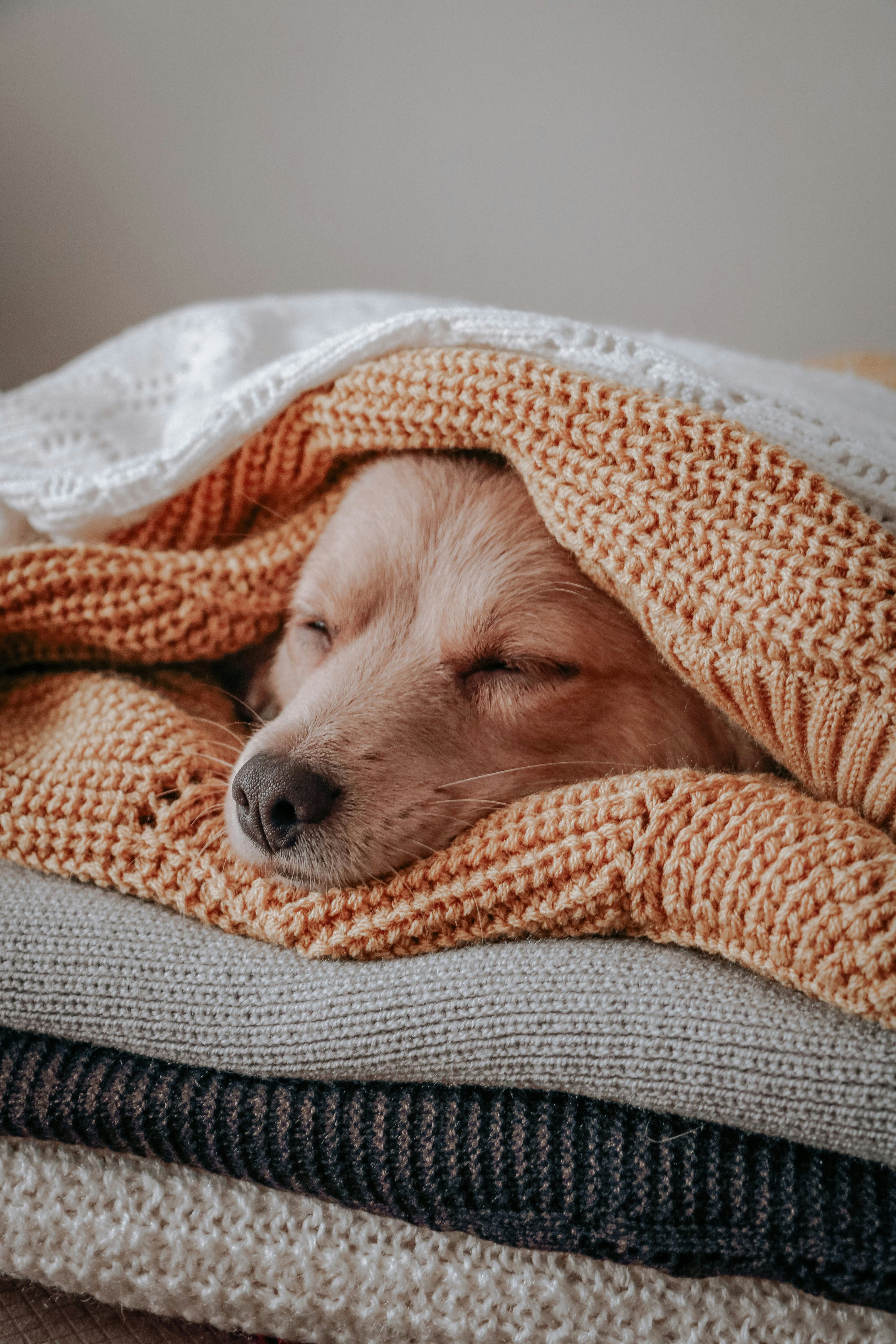
Even pets can enjoy fabrics that feel good
Major retailers launched new lines of organic cotton, linen, wool, and Tencel.
Search traffic in “natural fabrics” grew significantly across the EU and US
Sustainability reports from major retailers (including Zara’s parent company Inditex) show efforts to reduce polyester and increase natural fiber use.
Why This Matters
Natural fabrics shed fewer microplastics, last longer, are more breathable, and require fewer chemical treatments to produce. The European Environment Agency identifies synthetic textiles as one of the largest sources of microplastic pollution released during everyday washing.
If you’re looking to start building a cleaner closet in 2026, now is a perfect time to start.
For those just starting, brands like Quince or Uniqlo offer a wide variety of basics in 100% cotton, linen and cashmere.
Repair & Reuse Culture Entered Mainstream
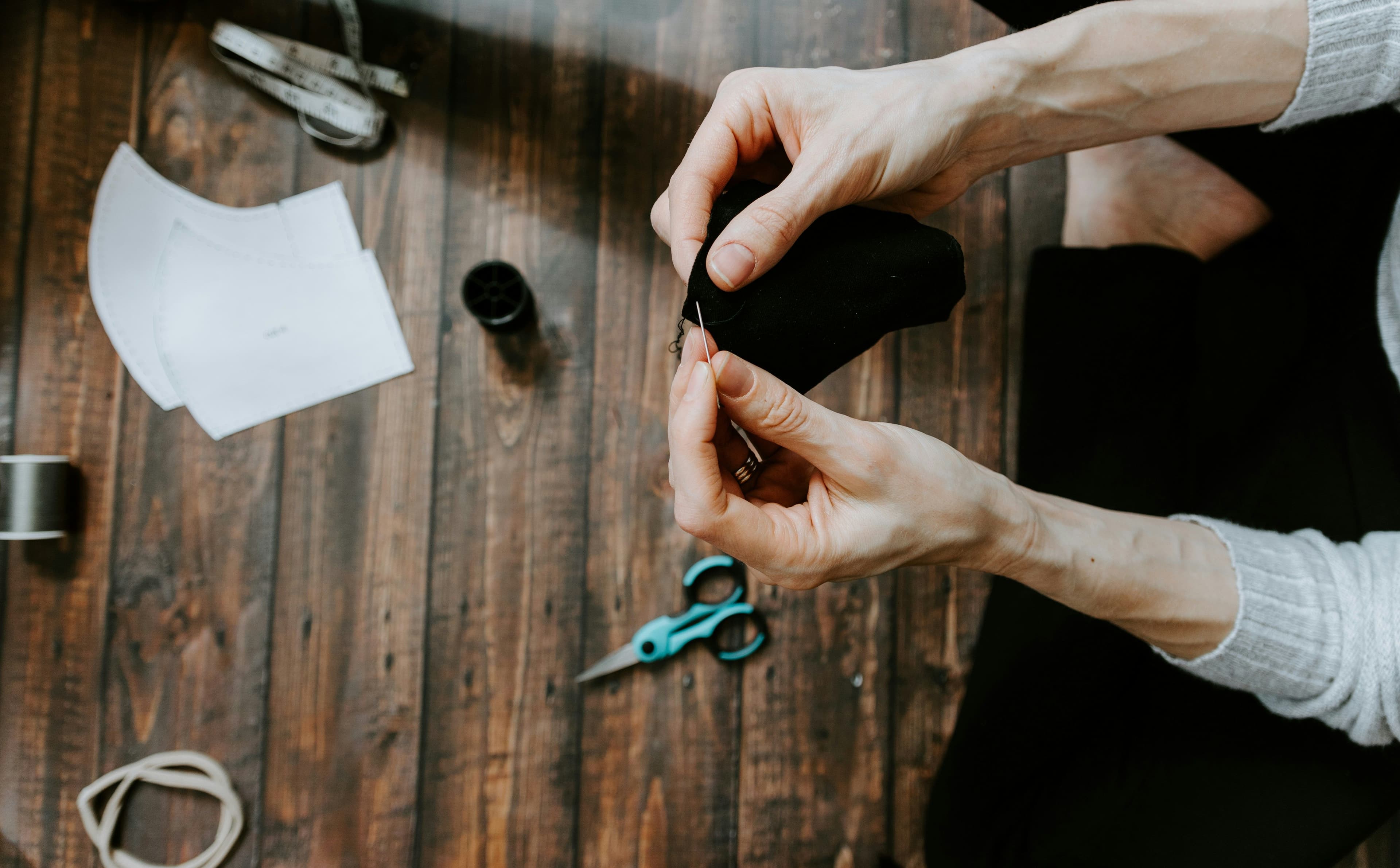
Living well means maintaining what you already own
After decades of planned obsolescence, 2025 saw repair culture break into the mainstream.
Patagonia expanded its Worn Wear program.
TikTok and Pinterest trends around mending, thrifting, and rewearing gear increased significantly. Who doesn’t love watching those beautiful furniture restoration videos?
Why This Matters
Keeping items in use longer is one of the most impactful sustainability choices you can make. Durability is sustainability.
“The most responsible product is the one you already own.” - Patagonia
Better Choices
- Sweater shavers and a basic sewing kit
- Supporting brands that repair what they sell, such as Patagonia, REI, and Eileen Fisher
- Wool and cotton garments designed to age well
Expanded Composting Programs
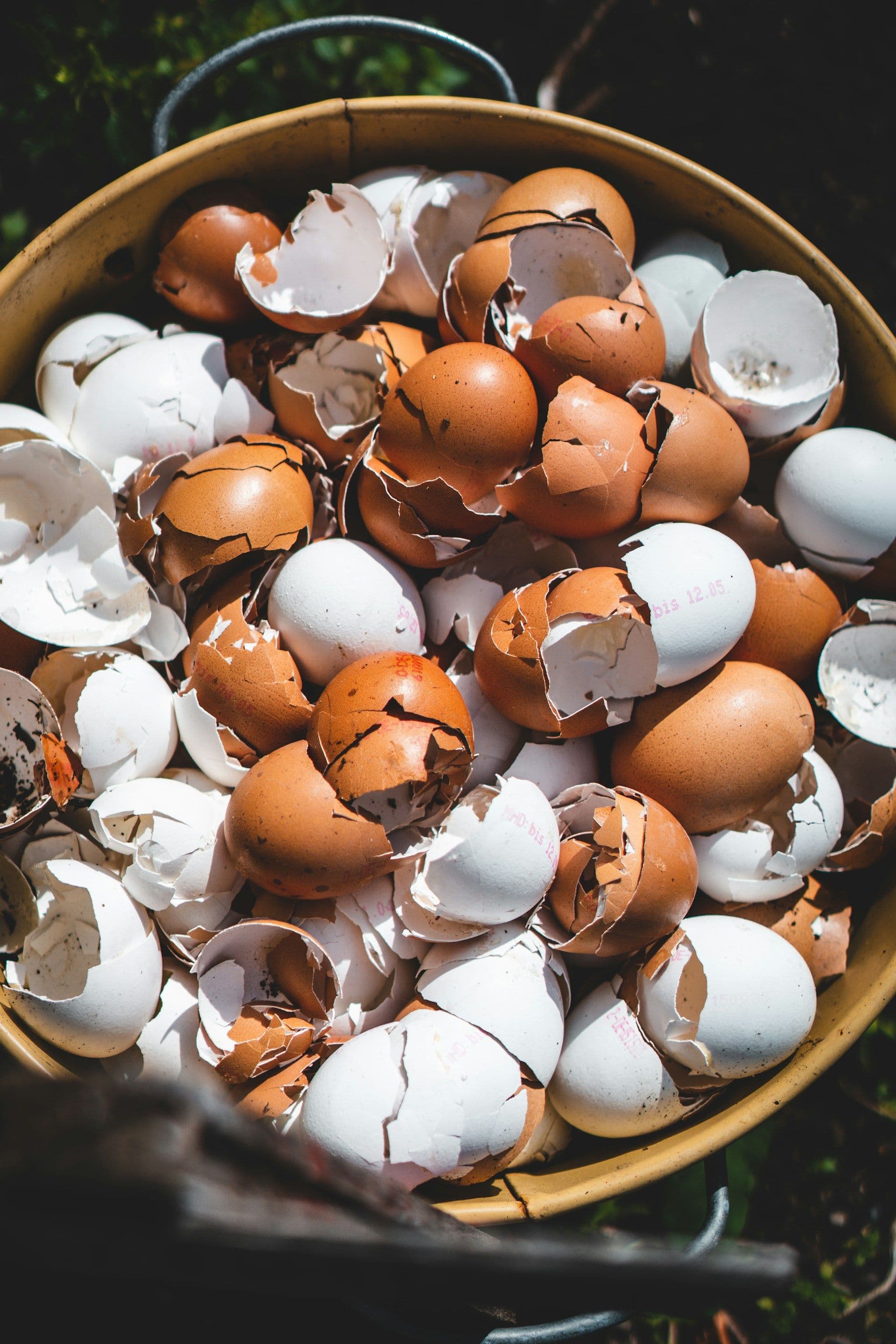
Eggshells are rich in calcium that's perfect for compost.
Key Facts
- US Cities including San Francisco, Los Angeles, Seattle, Portland, New York City, and Austin expanded their curbside composting programs.
- States such as California, Vermont, Massachusetts, and New York continued or introduced food-waste diversion mandates.
The U.S. Environmental Protection Agency identifies food waste as the single largest category of material sent to U.S. landfills. In 2025, there was increased public recognition of food waste as being a top contributor to methane emissions from landfills.
Why This Matters
Composting food scraps keeps waste out of landfills and turns scraps into soil, which then reduces methane emissions.
Other Choices
- Compost bins on the countertop
- Compostable liners
- Durable and reusable kitchen storage
Indoor Air Standards Improved
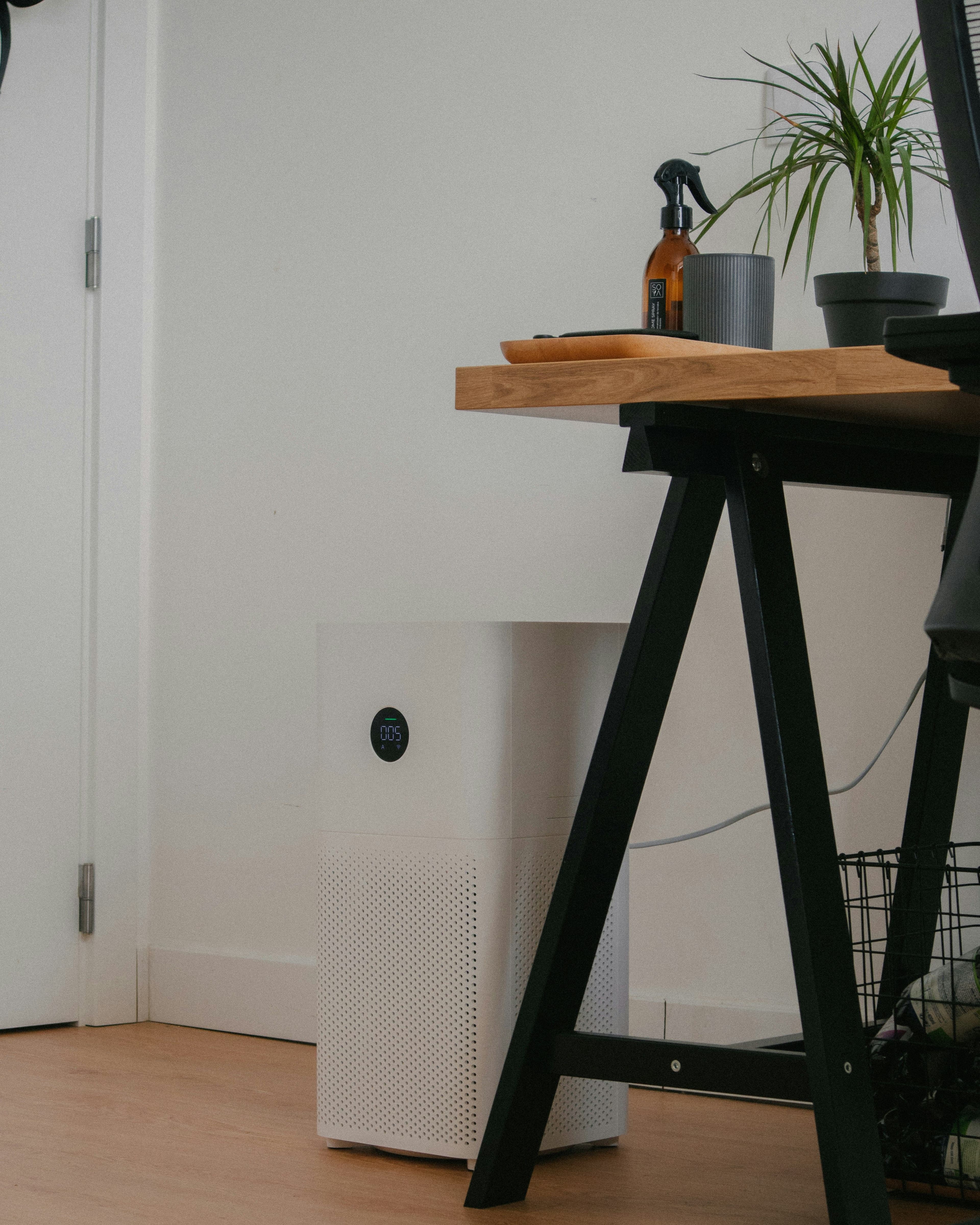
Living well starts with what surrounds you
After the humidifier disinfectant scandal, indoor air became the focus of wellness.
Key Facts
- Updated public health guidance around safe humidification practices.
- Growing awareness of evaporative humidifiers vs ultrasonic mist.
- Increased usage of HEPA filtration in homes after COVID-19.
Why This Matters
Indoor air, especially around the colder months, becomes more dry and toxic. The U.S. Environmental Protection Agency estimates that indoor air can be two to five times more polluted than outdoor air, particularly during colder months when ventilation is limited. (U.S. EPA, Indoor Air Quality). Stuffy air can affect skin, allergies, sleep, and even long term respiratory health. When the windows stay shut, poor indoor air can affect our bodies.
“Indoor air can contain a complex mixture of pollutants, including particulate matter, volatile organic compounds (VOCs), carbon monoxide, nitrogen dioxide, and biological agents, often at concentrations exceeding those found outdoors” - Buonanno & Kumar (PMC)
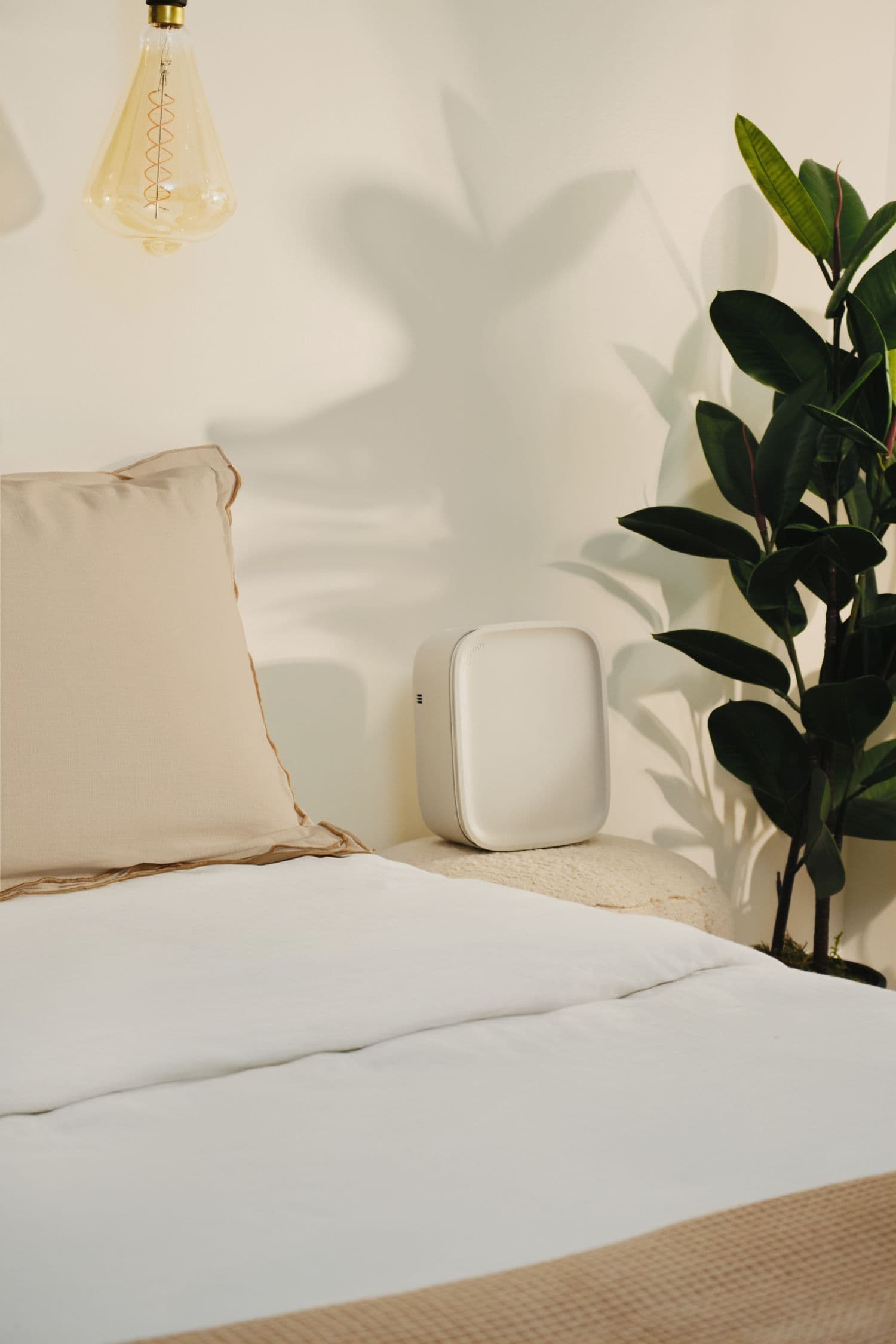
Bedside Air Purifier
Designed for quiet everyday use, this compact purifier helps improve indoor air quality. It's especially useful in bedrooms during colder months, where it supports better breathing.
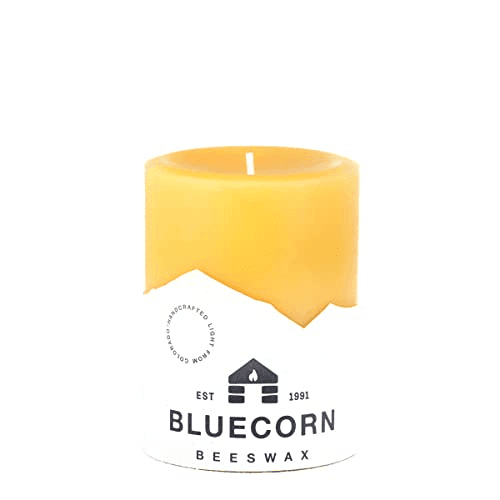
Bluecorn Beeswax Candle
Made with pure beeswax, this candle offers a warm glow without synthetic fragrance or petroleum-based waxes. Beeswax candles are often chosen as a lower impact alternative to paraffin candles, making them a more intentional option for indoor spaces.
Governments Fight Greenwashing
One of the most important, yet least talked about wins for 2025 was the crackdown on misleading claims about sustainability.
The EU formally cracked down on vague sustainability claims with words such as “eco”, “natural”, or “green” unless specifically backed by data with their greenwashing directive.
“53% of green claims give vague, misleading, or unfounded information.” — European Commission
Brands must now verify claims regarding biodegradability, recyclability, environmental impacts, and carbon footprint. These claims must be supported by science-based methods and verified by independent third parties.
Why This Matters
Consumers in the EU are now protected when reading labels. This legislation also rewards the brands that do the real work of showing transparency instead of relying on buzzwords. I’m hoping it sets a precedent for other regions to soon follow.
Other Choices
Acure continues to stand out for its transparency and circular manufacturing practices. . Measuring emissions and giving back to renewable energy products should be the standard. Until that is, I’ll choose to support brands that are already doing the work.
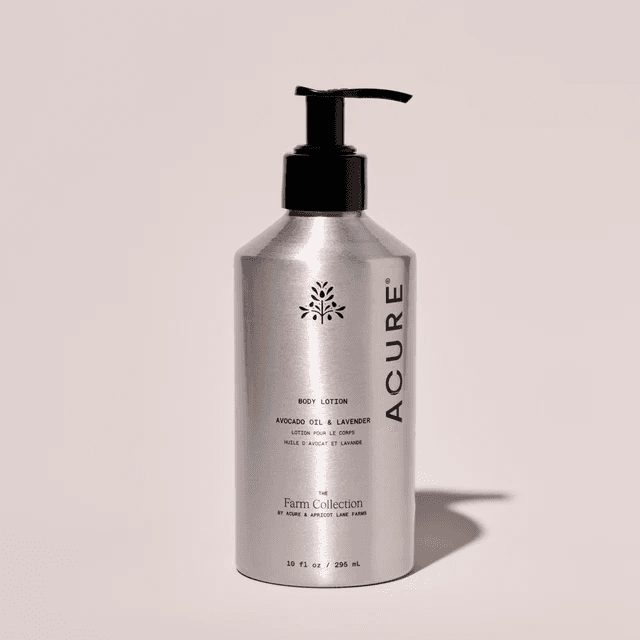
Body Lotion | The Farm Collection
Made with organic avocado oil, this lotion feels great without the grease.
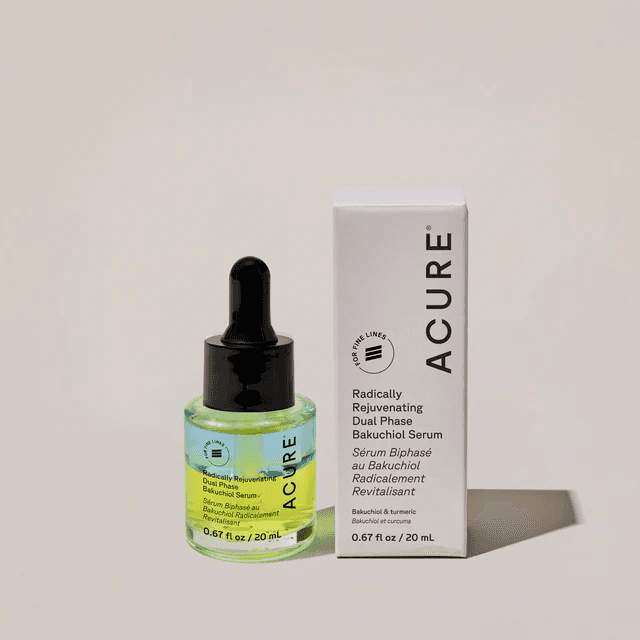
Bakuchiol Serum
This beautiful serum is a natural alternative to harsh retinols. Derived from plants, bakuchiol fights signs of aging in skin.
Use code THEGOODSTANDARD for 15% off select items.
If 2025 was about awareness and legislation then I’m hoping 2026 will become the year of implementation.
- More brands switching to natural materials
- Even stronger PFAS and microplastic regulations
- Growth in repair, resale, and reuse culture
- More widespread composting
- Cleaner beauty standards
- Laws banning greenwashing outside the EU
Most importantly, you and I are now more protected to make better choices this year. And that’s the heart of The Good Standard. We all have different standards on what makes us feel good. It’s not one-size-fits-all. It’s not about sticking to one single standard, one recipe, one set of rules, but about the choices we make everyday that quietly sets our standards for us.
Sources
- Air Pollution and the Future: The Rising Importance of HEPA Filtration
- Household air pollution and health: rethinking indoor exposure in the places we call home
- EU's Greenwashing Directive
- No plastic in nature
- Per- and Polyfluoroalkyl Substances (PFAS)
- Microplastics from textiles: towards a circular economy for textiles in Europe
Tags: sustainability, laws, greenwashing, microplastics