

Bakuchiol: Nature's Retinol Alternative
Date Published: 10/1/2025
Bakuchiol, a gentle plant-based alternative to retinol, offers visible anti-aging benefits with less irritation. Learn how this natural compound from the babchi plant is redefining skincare.

This post contains affiliate links. If you click and purchase, I may earn a small commission at no extra cost to you. Read my full disclosure here. Learn more
You want to age gracefully, without dealing with stinging, peeling skin just to achieve results. A new generation of skincare ingredients if proving that gentle results exist. Meet bakuchiol, the clean alternative to retinol that brings calm, radiant skin.
Aging often first shows itself in the form of little fine lines and changes in skin texture. For decades, retinol and prescription retinoids — both derivatives of Vitamin A — have been the go-to ingredients for keeping these signs at bay. They work well, but they’re not for everyone. Many people experience irritation, peeling, or redness, especially as skin becomes more sensitive with age.
What is retinol and why does it work?
Retinol is a derivative of Vitamin A. It’s known for increasing cell turnover and stimulating collagen. As we age, our skin is exposed to cumulative years of ultraviolet radiation, also known as photoaging. Retinoids (such as tretinoin) are prescription-strength forms of Vitamin A, while retinol is available over the counter in skincare products. Retinoids are stronger and work faster, but retinol is more accessible and generally better tolerated.
Retinoids and retinols change how fast cells divide to create new cells. Retinoids encourage division speed to build up the top layer of the skin, also known as our epidermis. As we age, collagen production slows down and our epidermis loses its lift and bounce, making skin more thin, leading to wrinkles, hyperpigmentation, enlarged pores, and other skin conditions.
This is where retinoids shine. This compound stimulates new collagen production, and prevents the breakdown of existing collagen in the skin. It also increases natural chemicals such as hyaluronic acid, helping skin stay plump and youthful.
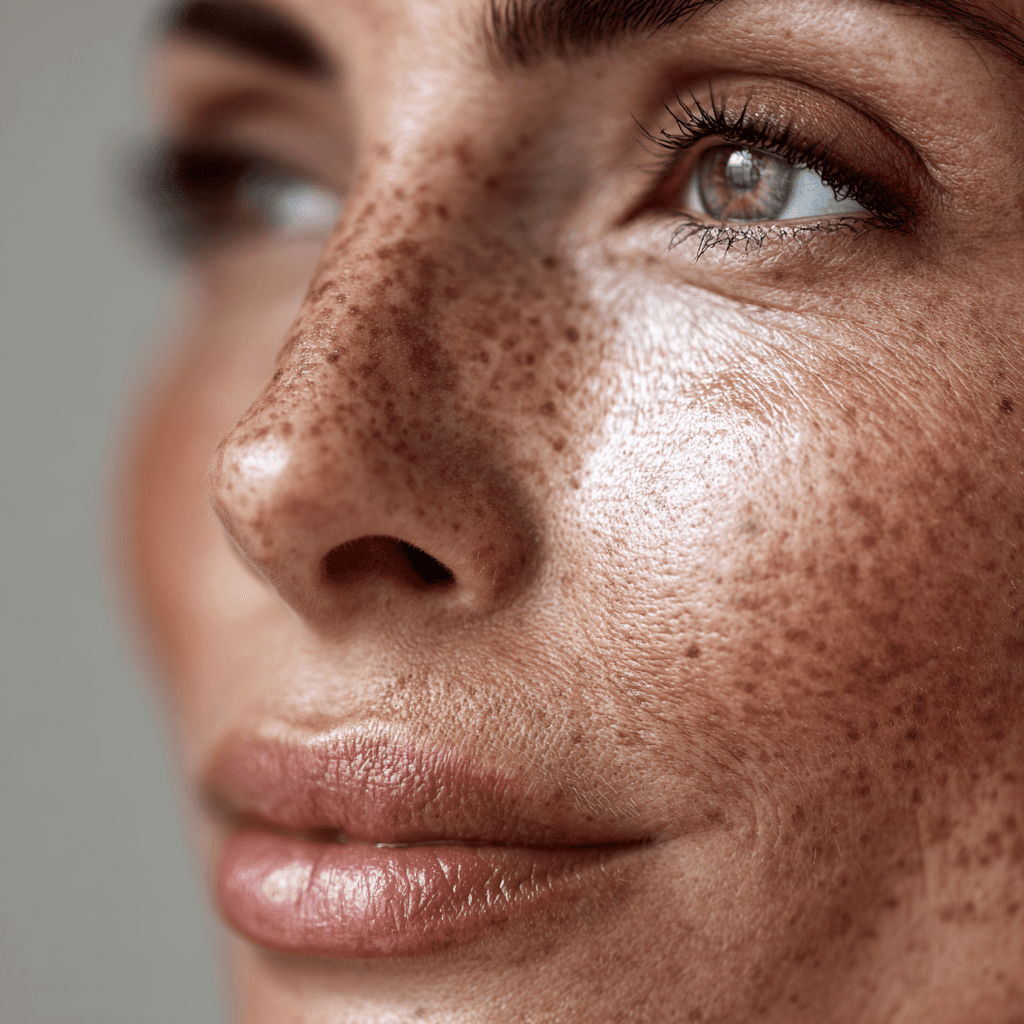
First signs of photoaging show up as hyperpigmentation on skin
The reason some people struggle with retinol is it has a tendency to cause burning, scaling, or dermatitis. [1] It also causes sensitivity to ultraviolet light, which is why dermatologists recommend always wearing sunscreen.
What is bakuchiol?
Bakuchiol is derived from the plant Psoralea Corylifolia also known as the babchi plant. Boasting similar effects to retinol, it works by increasing cell turnover. By boosting elastin stimulating collagen, it reduces fine lines and evens out skin tone, while causing less irritation, redness, and peeling. Furthermore, it contains antioxidant and anti-inflammatory properties that make it comparable to retinol.
The British Journal of Dermatology conducted a 12 week study on retinol vs bakuchiol. It showed that “bakuchiol is comparable with retinol in its ability to improve photoaging and is better tolerated than retinol.” (Dhaliwal et al., British Journal of Dermatology, 2019) Furthermore, bakuchiol is photostable, meaning it doesn't break down as quickly in sunlight. That makes it available for both day or night use, although sunscreen is still required.
People with sensitive skin should consider bakuchiol as a staple for their night time rituals. Those who are already tolerating retinol well should be fine staying keeping it in their routines.
It’s important to note that bakuchiol is not retinol. When it comes to anti-aging, retinol is arguably still the gold standard. But for many people, especially those with sensitive skin, pregnant, or nursing, bakuchiol can give a much softer alternative to retinol and retinoids. Some brands, such as Paula’s Choice even offer a hybrid serum of bakuchiol and retinol.
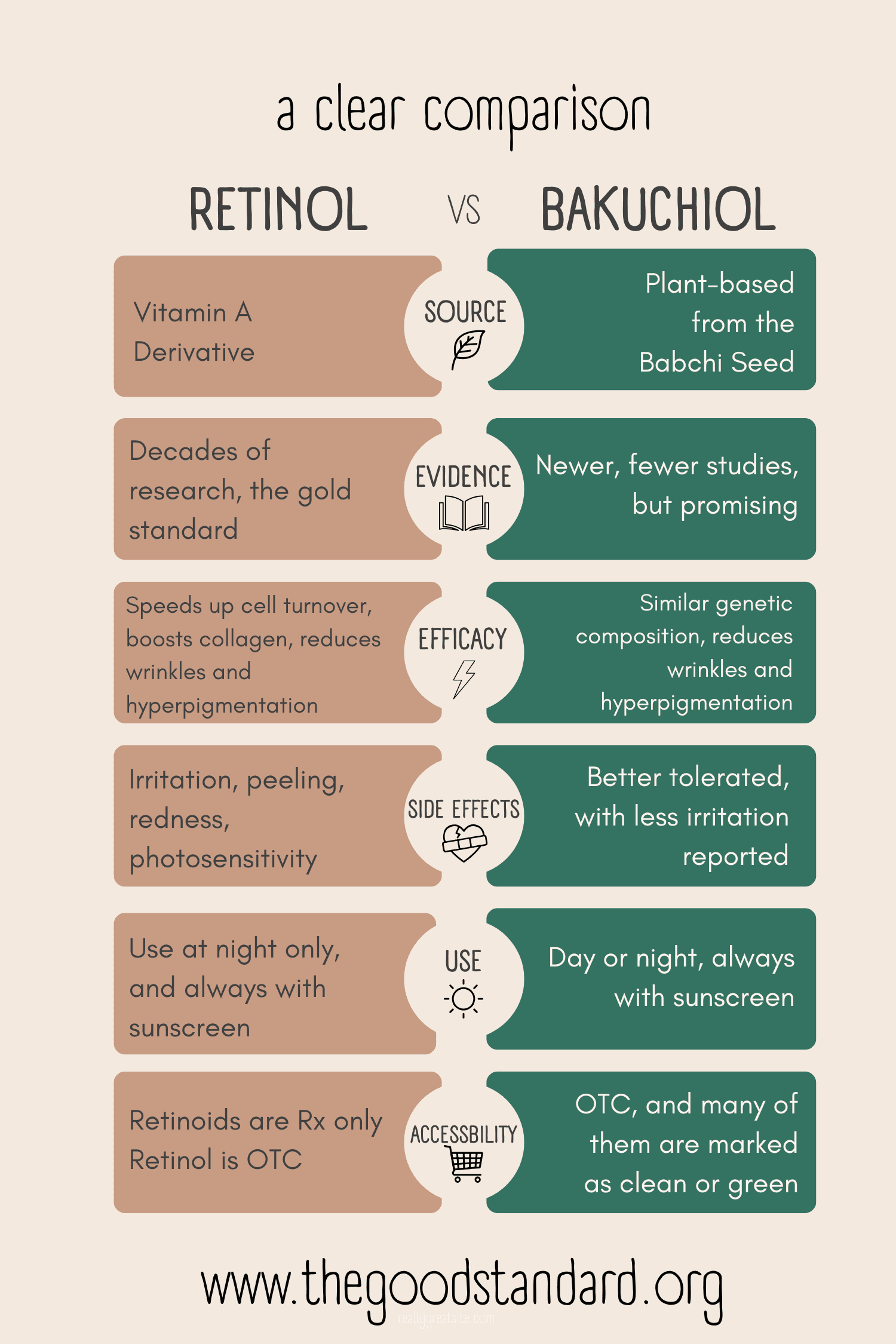
The differences between Retinol and Bakuchiol
Tips for use:
- If you’re new to anti-aging products, you could start with bakuchiol 2-3 nights a week, paired with a moisturizer.
- If you’re sensitive to retinol, try alternating with bakuchiol on different nights.
- If you decide to use it in the morning or before leaving the house, always layer it under sunscreen (SPF 30+).
- Don’t expect dramatic transformations overnight, consistency is key when it comes to over the counter products.
Which bakuchiol formula is right for me?
At The Good Standard, we've tested countless clean formulas, but these bakuchiol serums stood out for their glow-without-irritation finishes.
For Beginners
Budget friendly, gentle, and easy to layer.
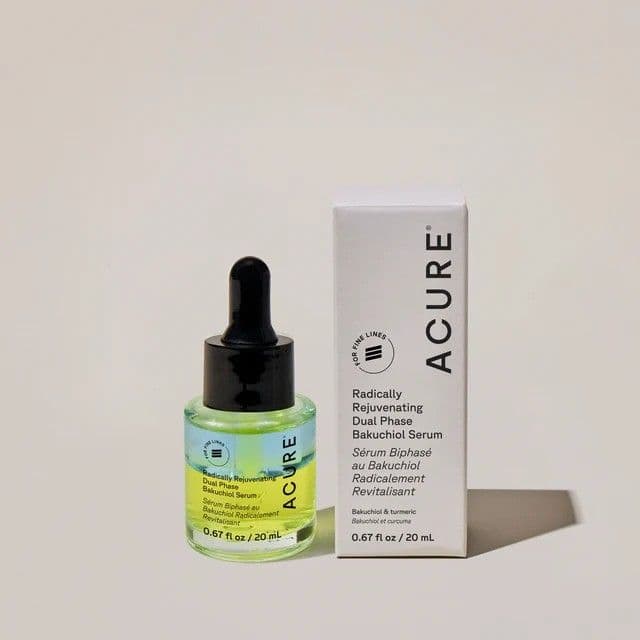
Radically Rejuvenating Dual Phase Bakuchiol Serum
At The Good Standard, we recommend Acure's dual-phase serum for anyone new to bakuchiol. It's 100% vegan, cruelty-free, and fragrance-free. A simple yet effective entry point that hydrates and smooths without irritation.
Perfect if you're new to actives or have sensitive skin.
Use code THEGOODSTANDARD for 15% off select items on ACURE
Cleanest Formula
Pure, minimal, and ethically sourced.
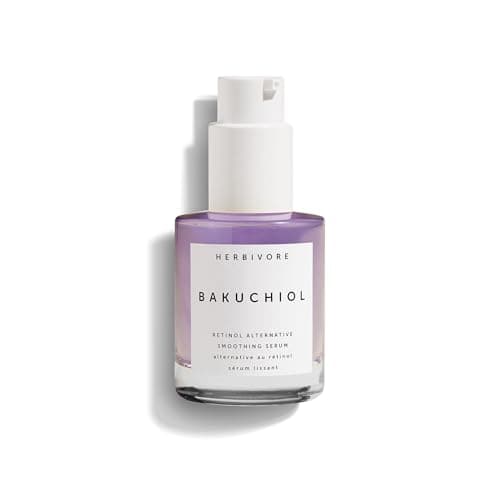
HERBIVORE Bakuchiol Retinol Alternative Face Serum
We love Herbivore's gentle take on retinol alternatives, such as this plant based bakuchiol paired with polyhydroxy acids for a natural glow. This formula embodies everything we value: clean ingredients, transparent sourcing, and a beautiful minimal design that elevates any routine.
Luxe Pick
The most potent, dermatologist-backed blend.
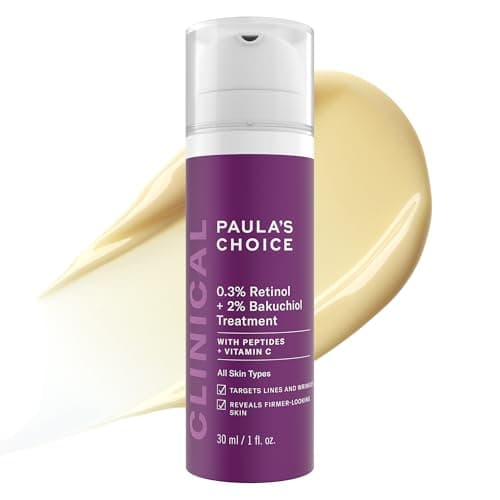
Paula's Choice CLINICAL 0.3% Retinol + 2% Bakuchiol Treatment
For those seeking clinical-grade results, Paula's Choice combines low-dose retinol with bakuchiol and peptides for a powerful, skin-firming blend. We recommend this as a luxe upgrade for advanced users. Fragrance-free, scientifically backed, and proven to refine texture over time.
Frequency Asked Questions
What exactly is bakuchiol?
Bakuchiol is a plant-based compound that mimics many of retinol's effects, such as boosting collagen and reducing fine lines, without the irritating or flaking.
Can bakuchiol really replace retinol?
It depends on your goals. Bakuchiol works more gradually than retinol. But for those who can't tolerate retinoids, it's an excellent alternative. For deeper wrinkles, retinol may still deliver better results.
Can I use bakuchiol in the morning?
Yes. Bakuchiol is photostable, so it doesn't break down in the sunlight. You can use it in the morning or nighttime. Just make sure to follow with SPF 30+.
How often should I use bakuchiol?
Start with 2-3 nights a week and increase to daily use as your skin adjusts. It's gentle enough for most routines, but consistency matters more than frequency.
Can I mix bakuchiol with other ingredients such as Vitamin C and niacinamide?
Yes. Bakuchiol layers with both vitamin C and niacinamide, as well as hyaluronic acid. Just take care not to combine it with harsh exfoliants or retinoids on the same night to avoid over stimulating your skin.
Does bakuchiol cause purging or peeling?
Usually not. Unlike retinol, bakuchiol doesn't accelerate skin turnover in the same intense way. Some mild dryness may occur at first, but purging is rare.
How long before I see results with bakuchiol?
Most users notice smoother, more radiant skin within 2-3 months of consistent use. Results are gradual but cumulative!
Can bakuchiol help with acne?
Yes. Bakuchiol has antibacterial and anti-inflammatory properties that may help reduce mild acne and post-acne pigmentation while being more gentle than traditional retinoids.
What skin types benefit from bakuchiol?
It is beneficial for all skin types. but most effective for sensitive, dry, or mature skin. Those prone to irritation or red can find it works better for them than retinol.
Should I still use moisturizer after bakuchiol?
Yes. Always follow bakuchiol with a nourishing moisturizer to seal in hydration and support the skin barrier.
Can I use both bakuchiol and retinol together?
Yes. In fact, some hybrid formulas exist (Paula's Choice) and can safely combine both, but its best to first alternate nights to monitor your skin's response.
Bakuchiol is a little known ingredient slowly gaining momentum in the skincare world. With more clinical studies being done on bakuchiol, more brands are creating new formulas with it. In next few years, bakuchiol may turn into a household name as an anti-aging powerhouse.
In the end, bakuchiol is more than a trend. It's a shift towards gentler, smarter skincare. As we embrace formulas that honor the skin and the planet, bakuchiol stands as the perfect symbol of effective, natural, and kind balance.
Sources
- [1] Does retinol deserve the hype? A Stanford dermatologist weighs in
- [2] Retinoids in the treatment of skin aging: an overview of clinical efficacy and safety
- [3] Prospective, randomized, double-blind assessment of topical bakuchiol and retinol for facial photoageing
- [4] Multidirectional activity of bakuchiol against cellular mechanisms of facial ageing ‐ Experimental evidence for a holistic treatment approach
Tags: beauty, plant-based, anti-aging, bakuchiol, retinol
Canonical: https://www.thegoodstandard.org/blog/bakuchiol-natures-retinol-alternative