

Apothecary Diaries #1
Date Published: 9/28/2025
Learn how to make your own natural castile soap blend at home with simple ingredients— gentle on skin, eco-friendly, and budget-friendly.
This post contains affiliate links. If you click and purchase, I may earn a small commission at no extra cost to you. Read my full disclosure here. Learn more
What's Hidden In That Nice Smell?
Soap and candle aisles smell great, but what's hidden in those scents? Most store-bought soaps are a cocktail of synthetics hidden under a single word: "fragrance". Here's why that matters for your skin, hormones, and the planet.
The American Lung Association warns about indoor fragrance exposure. Ingredients labeled as "fragrances" can represent hundreds of disclosed chemicals, and there’s no practical way for consumers to know what they are. Fragrance is the number one cause of contact allergy for cosmetics. According to the European Commission, people with sensitive skin should avoid heavily scented products[1].
Antibacterial doesn’t always mean better
According to the U.S. Food and Drug Administration (FDA), there's no clear evidence that antibacterial soaps are more effecting at preventing illness than plain soap and water [2]. In 2016, they banned 19 common ingredients (including triclosan and triclocarban) after manufacturers failed to prove they were safe for daily use. Overusing antibacterial ingredients can even lead to antibiotic resistance. The agency encourages people to wash with plain soap and water - simple and effective.
Skin barrier
Harsh soaps and synthetics can harm the skin's protective barrier, which is responsible for keeping irritants out and retaining moisture. Research shows that repeated exposure to strong surfactants can strip oils and interfere with lipid production, as well as damage structural proteins such as keratin [3]. Your skin's ability to hold water decreases, which leads to dryness, irritation, and tightness over time.
Plant-based soaps such as castile soap cleanse just as well without affecting your skin’s microbiome.
Environmental impact
This is where it gets bigger than just skin.
Soaps on shelves are actually known as syndet detergents (formulated with petroleum-derived surfactants, plus dyes and fragrances). Compared to "true" soap (fatty-acid salts made using a process of saponification), these syndets are harsher to biodegrade and more toxic to aquatic life.
In OECD biodegradability tests, fatty-acid soaps were able to reach 87-91% degradation, while syndets (SDB) showed a ~-3% (non biodegrading... at all). In human cell testing, natural soap were found to be less cytotoxic than syndets, indicating a wider safety margin for skin sells [4].
By mixing your own simple Castile soap blend, you get to skip all the unnecessary additives, and have a formula that's refillable, customizable, and more gentle on your skin and water systems for the long term.
What is Castile soap?
Castile soap is a plant-based soap made from vegetable oils (often olive oil) instead of synthetic detergents. It originated from the Castile region of Spain, where olive oil was traditionally used to make gentle, natural soaps.
True Castile soap contains no sulfates, fragrances, or preservatives. It's suitable for sensitive skin and naturally cleansing.
What you will need for this DIY:
- A bottle of pure Castile soap
- A glass amber bottle with a pump
- Distilled Water
- Optionally, some essential oils for scents
- Optionally, aloe vera gel
Here are our recommendations for products
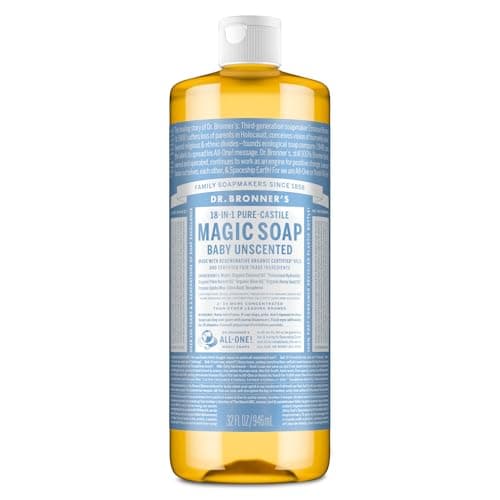
Dr. Bronner's Pure-Castile Magic Liquid Soap
Dr. Bronner's is the gold standard in Castile soap. Choose the baby unscented version if you plan on adding essential oils to the blend.
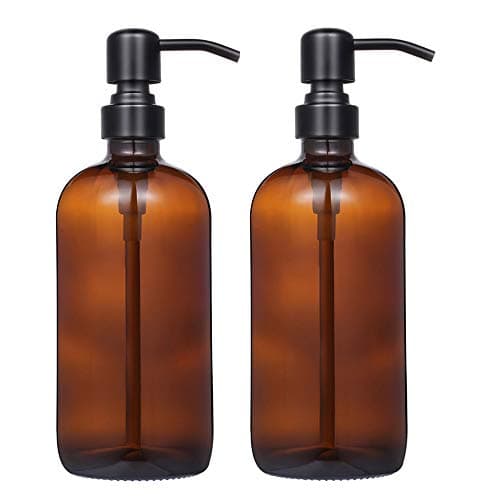
2 Pack Thick Amber Glass Pint Jar Soap Dispenser
A glass amber pump bottle. Amber protects the oils inside from oxidation.
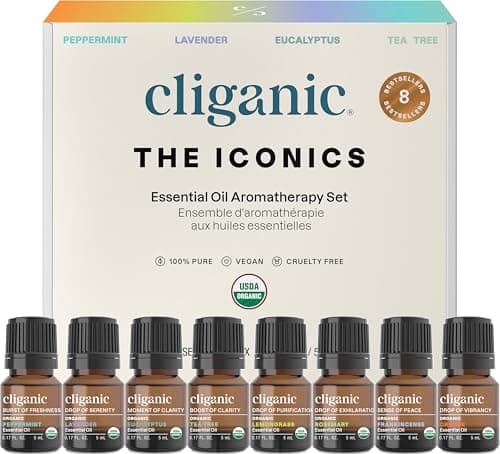
Cliganic Organic Aromatherapy Essential Oils Gift Set (Top 8 - The Iconics)
Some great starter scents are peppermint, eucalyptus, lavender, and sweet orange. Cliganic offers a great set with eight different scents.
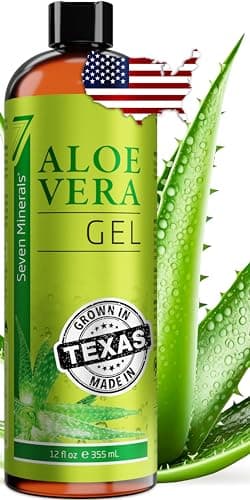
Seven Minerals Organic Aloe Vera Gel
Some of our favorite combinations of scents
- lavender + orange = calming and fresh
- eucalyptus + peppermint = invigorating
- tea tree + lemongrass = crisp and purifying
- bergamot + sage = uplifting with an herbal twist
Directions
- Fill your bottle ~¾ full with distilled water (adding water first minimizes foaming).
- Add ¼ cup castile soap.
- If scenting, add 5–10 drops essential oil.
- Optional: add 1 tsp aloe vera gel. Swirl gently to combine.
- For creamier texture, stir in 1 teaspoon of vegetable glycerin to help bind the mixture.
Use as hand soap or body wash. Give it a try and tweak the scent strength to your preference. Store outside of direct sunlight, and use within 1–3 months. If you enjoy thicker textures, you could try adding a teaspoon of vegetable glycerin, which helps bind everything together.
What you have just made is your very own refillable, skin-friendly soap. Once you start making your own Castile soap blend, you'll never want to go back to synthetic washes again. Over time, these small habits build toward a cleaner home, a lighter footprint, and a more intentional way of living. It’s a simple step that brings something pure and sustainable into your everyday routine.
Sources
- [1] How is the general public exposed to fragrance allergens? — European Commission
- [2] Skip the Antibacterial Soap; Use Plain Soap and Water — FDA
- [3] Effect of soaps and detergents on epidermal barrier function — ScienceDirect
- [4] Natural soap is clinically effective and more biodegradable than synthetic detergents - NIH Study
Tags: non-toxic, home, natural, DIY, plant-based
Canonical: https://thegoodstandard.org/blog/apothecary-diaries-1